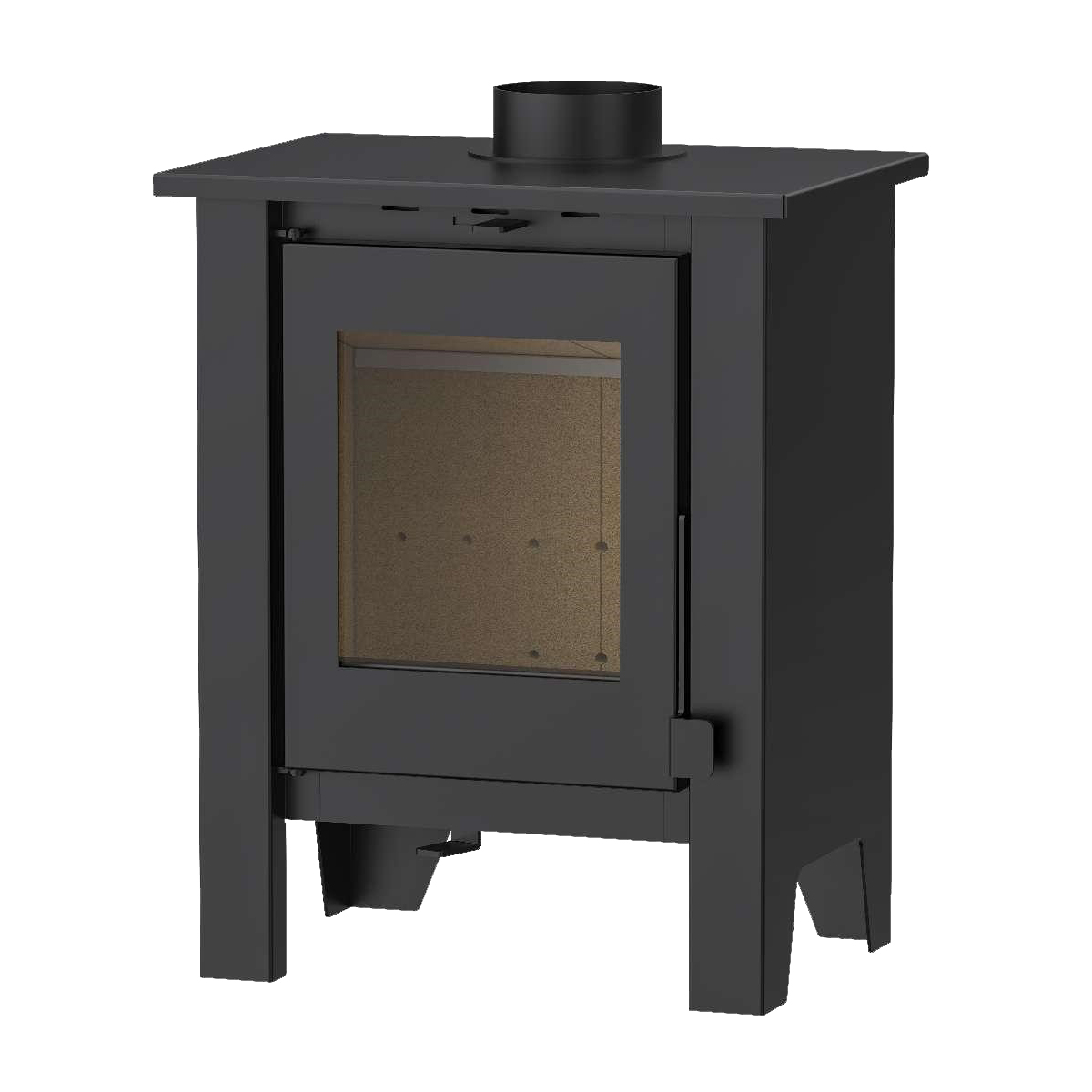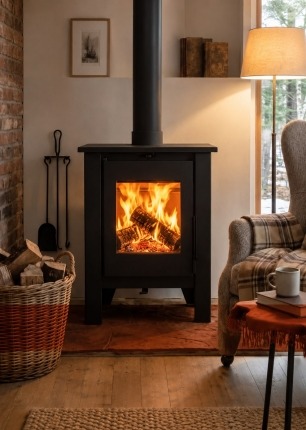
The stove must be completely cold before any cleaning begins. Ash should be removed with a metal shovel and placed in a metal container with a lid. A suitable brush or a dedicated ash vacuum can be used to clean the interior; a household vacuum is not designed for this purpose. The glass and exterior surfaces also require attention. Cleaning methods and products should be suitable for the appliance and comply with the manufacturer’s instructions. Removing dust and visible deposits helps keep surfaces in good condition without using treatments that could damage them.
Cleaning the firebox does not replace a chimney inspection. Montevideo Portal highlights the buildup of creosote, a flammable residue that can form inside the flue. Managing this buildup requires professional maintenance. Burn Wise recommends an annual inspection of the appliance, chimney and venting system. This inspection should identify cracks and other problems that could allow smoke to enter the home. Proper installation and adequate draft help make better use of firewood and reduce the maintenance needs associated with inefficient combustion.
Fuel quality affects day-to-day performance. The EPA recommends using dry, seasoned firewood with a moisture content below 20%. To light a fire, start with small pieces of dry kindling and gradually add larger logs, leaving room for air to circulate. Garbage, plastics and treated wood should never be burned. Smoke and carbon monoxide detectors are also recommended. If the glass becomes dirty quickly or smoke persists at the chimney outlet, the quality of the firewood, the air supply and the need for maintenance should be checked. Regular cleaning, correct operation and professional inspection are complementary aspects of stove care.